Wholesale Guide
Zhuang Brocade Wholesale Guide for Brands, Retailers and Distributors
How to evaluate an assortment, prepare a wholesale request and keep commercial details clear from first conversation to order review.
Wholesale starts with assortment logic
A wholesale buyer is not only choosing individual products. You are building a shelf, a collection page or a seasonal story that needs a clear reason to exist. Begin by grouping references into a small number of roles: hero pieces, easy add-ons, giftable items and products that explain the cultural point of view. This makes it easier for a brand, retailer or distributor to review the range with a customer in mind.
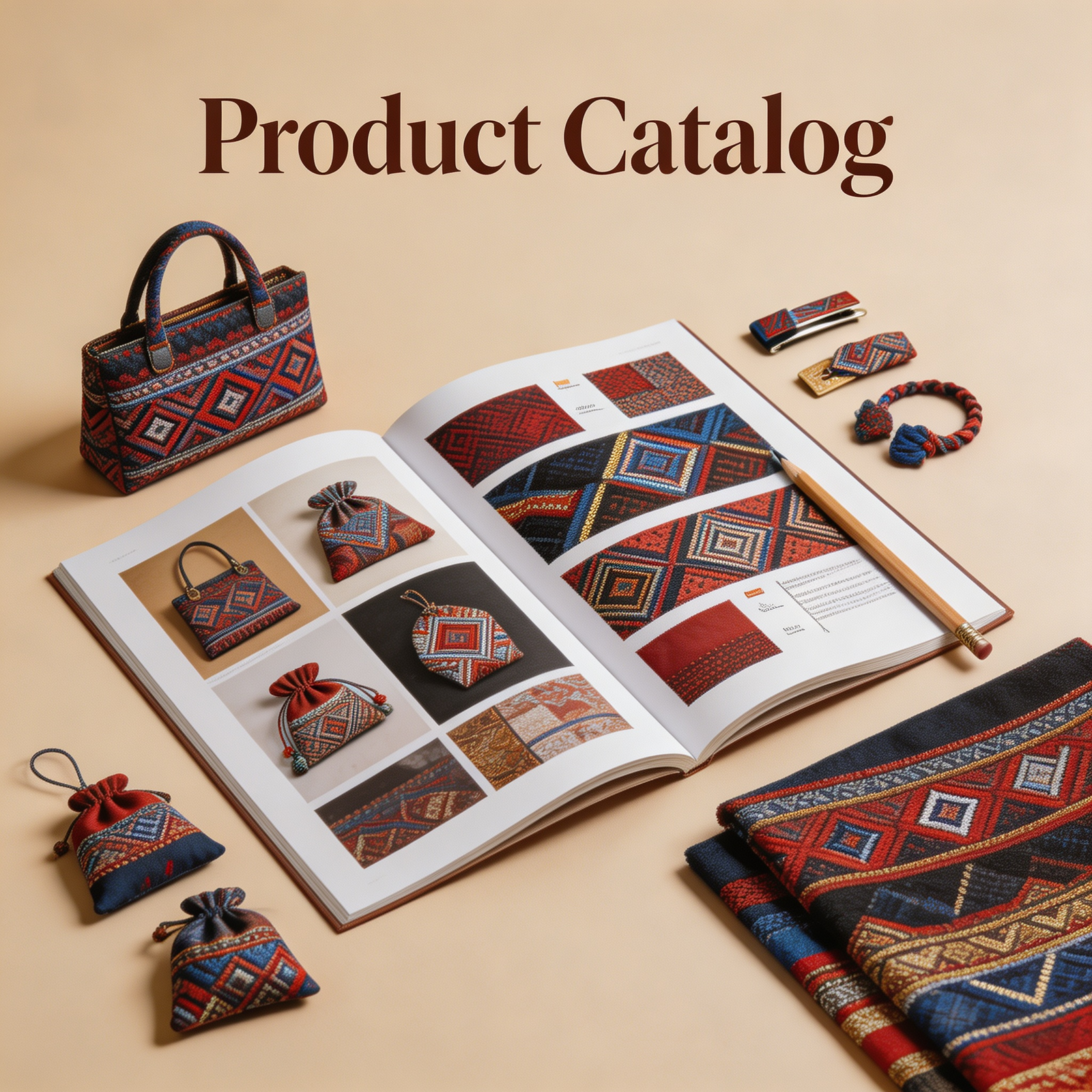
Use the MYSSC catalog to collect product URLs and images, then compare the visual language of the group. Keep the final shortlist concise enough for a buyer to review in one sitting.
What a wholesale request should include
- Your company type and sales channel.
- Destination market and shipping context.
- Product families and reference URLs.
- Expected assortment shape, without treating it as a confirmed order quantity.
- Logo, packaging, color or pattern questions.
- Timing for sampling, review and quotation.
This context lets MYSSC explain current options and identify what needs a project-specific decision. It also prevents an early conversation from becoming a long list of disconnected product names.
Keep commercial terms explicit
Wholesale information can change by product, customization scope, destination and order structure. Treat MOQ, price basis, sample fees, production timing, shipping cost, payment terms and documentation as confirmation points. Ask for the current terms for the exact references in your shortlist. Do not copy a number from an old email or assume that one product’s terms apply to another.
A strong request does not hide uncertainty. It labels each item as confirmed, preferred or awaiting supplier confirmation.
Review assortment fit
Before asking for a final quotation, review the assortment as a customer would see it. Check whether the visual rhythm is varied, whether price architecture still needs to be discussed, and whether the story can be explained in one sentence. Look at product photography, scale references and packaging direction together. If the products are for a physical store, ask how they will hang, stand or group; if they are for online retail, confirm the images and copy needed for a consistent product page.
A buyer-ready order path
- Collect live product and category links.
- Group the assortment by customer use or collection story.
- Send a brief with destination and customization questions.
- Review samples or available references.
- Approve artwork, packaging direction and product list.
- Request a current quotation and written commercial assumptions.
FAQ
Is the catalog a quotation?
No. The catalog is a product research tool. Availability and commercial terms must be confirmed for your project.
Can a retailer request private labeling?
Yes, ask through the Customization page. The scope, artwork and packaging route need to be confirmed.
What makes a request easy to answer?
A short product list, clear destination, visual references and a direct list of open questions.

Leave a Reply